Looking for TMJ Relief in NOVA? Treatments and Therapies That Actually Work
TMJ Relief in NOVA starts with understanding what is actually happening inside your jaw joint and surrounding muscles. The temporomandibular joint works constantly every time you speak, chew, or yawn, and when something is off, the impact can be immediate and disruptive. Research published through the National Institute of Dental and Craniofacial Research estimates that over 10 million Americans experience temporomandibular disorders, making it one of the most common sources of chronic facial pain.
That kind of widespread impact matters because TMJ symptoms often go unrecognized or misdiagnosed for months. Many patients across Northern Virginia describe daily discomfort that ranges from jaw tightness to headaches and ear pressure before realizing the root cause is the joint itself. When properly identified, TMJ pain is highly treatable with the right clinical approach.
Let's break down what causes TMJ disorders, how they progress, and what modern therapies are helping patients find real relief.
Understanding TMJ Relief in NOVA: Why It Matters
The term TMJ refers to the temporomandibular joint, while TMD describes disorders affecting that joint and surrounding muscles. This distinction is critical because treatment depends on whether the issue is structural, muscular, or a combination of both.
Patients seeking TMJ Relief in NOVA often experience symptoms that go beyond jaw pain alone. These can include tension headaches, facial soreness, and even neck stiffness. Identifying the root cause early makes treatment significantly more effective.
At Northern Virginia Dental Associates, care begins with understanding the full functional system of the jaw, not just isolated symptoms. This approach is central to achieving lasting improvement rather than temporary relief.
Common Symptoms That Signal TMJ Disorders
TMJ disorders can present in subtle or complex ways, which is why many patients delay seeking care. Symptoms may come and go at first, then gradually become more persistent.
Common signs include:
- Jaw pain or tightness
- Clicking or popping when opening the mouth
- Difficulty chewing certain foods
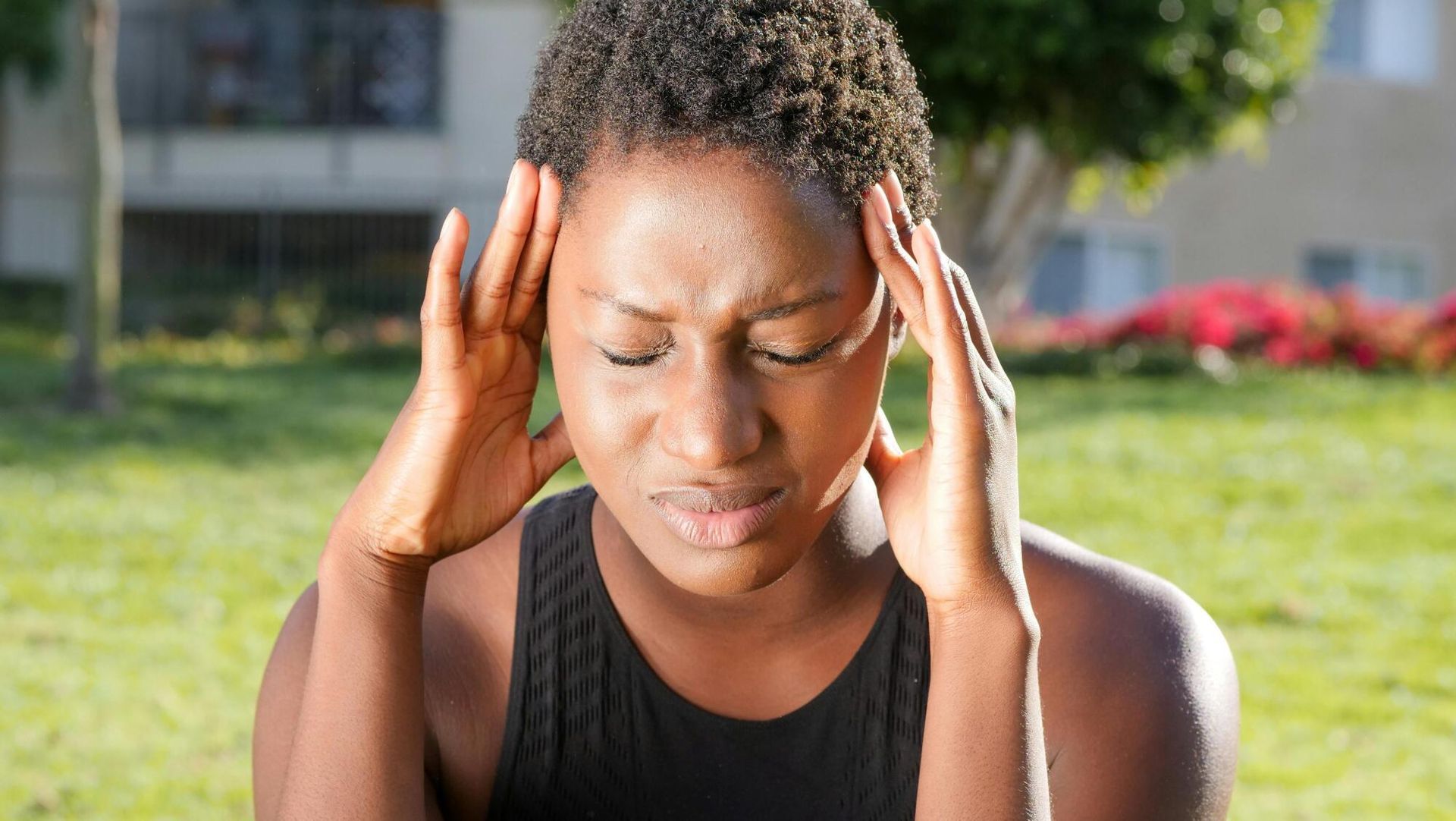
- Headaches or facial pressure
- Ear fullness or ringing sensations
- Limited jaw movement or locking
These symptoms are often mistaken for sinus issues, dental problems, or stress-related tension. However, when they persist, they often point directly to TMJ dysfunction. For a deeper breakdown, patients can review jaw clicking and popping causes to better understand early warning signs.
Persistent jaw discomfort should always be evaluated before it escalates into chronic dysfunction.
What Causes TMJ Disorders?
TMJ disorders rarely come from a single cause. Instead, they develop over time due to a combination of physical stress, muscle imbalance, and lifestyle habits.
Common contributing factors include:
- Teeth grinding or clenching
- Bite misalignment
- Jaw injury or trauma
- Chronic stress and muscle tension
- Arthritis in the joint
Stress is one of the most overlooked causes. Stress-related jaw clenching is a major contributor to TMJ flare-ups, often occurring unconsciously during sleep or concentration.
Over time, repeated strain prevents the jaw muscles from fully relaxing, leading to chronic pain cycles.
How TMJ Impacts Daily Life
TMJ disorders affect more than just the jaw. Many patients report that symptoms interfere with basic daily functions like eating, speaking, and sleeping.
In more advanced cases, discomfort can radiate into the neck and shoulders. Patients receiving care from Dr. Bernard Lynch often describe a pattern of interconnected symptoms that extend beyond oral discomfort.
Additional issues may include:
- Sleep disruption
- Neck stiffness
- Shoulder tension
When jaw function is disrupted, the entire head and neck system is affected.
The Role of Bite Alignment in TMJ Dysfunction
Bite alignment plays a central role in jaw stability. When the upper and lower teeth do not meet properly, the jaw compensates with uneven muscle activity.
This imbalance places additional stress on the temporomandibular joint, often triggering or worsening symptoms. Over time, even small misalignments can create significant discomfort.
Correcting alignment helps distribute force evenly across the bite. This reduces strain on the joint and allows the surrounding muscles to function more efficiently. More insights can be found in TMD vs TMJ treatment guide.
Early Intervention and Why Timing Matters
Early intervention is one of the most important factors in achieving successful TMJ Relief in NOVA. When treatment begins early, symptoms are easier to manage and less likely to progress into chronic conditions.
Delaying care can allow inflammation and muscle dysfunction to become more deeply embedded, making recovery more complex.
Addressing TMJ symptoms early often prevents long-term structural changes in the jaw.
Patients who act quickly typically respond better to non-invasive therapies and experience faster symptom reduction.
Lifestyle Habits That Influence TMJ Health
Daily habits often play a larger role in TMJ symptoms than patients expect. Small repetitive behaviors can increase strain on the jaw over time.
Common contributing habits include:
- Jaw clenching during stress
- Chewing gum frequently
- Poor posture at desks or screens
- Resting the chin on the hand
Improving awareness of these habits can significantly reduce symptom severity. The Mayo Clinic highlights that posture correction and stress reduction are key components of conservative TMJ care.
Small behavioral adjustments often lead to measurable improvements in jaw comfort.
Effective TMJ Treatments in NOVA
Modern TMJ care focuses on identifying the root cause and tailoring treatment accordingly. No single therapy works for every patient, which is why evaluation is essential.
Common treatment options include:
- Custom oral appliances
- Bite alignment therapy
- Physical therapy for jaw muscles
- Stress management techniques
- Anti-inflammatory therapies
Patients exploring TMJ treatments NOVA can learn more through TMJ treatment services offered at Northern Virginia Dental Associates.
The goal is not just symptom relief, but restoring balanced jaw function.
Innovative TMJ Therapies and Neuromuscular Dentistry
Neuromuscular dentistry takes a comprehensive approach by analyzing how muscles, nerves, and jaw position interact.
This method uses advanced diagnostics to determine how the jaw functions in real time, not just at rest. From there, treatment is customized to reduce muscle strain and improve alignment.
Innovative TMJ therapies focus on long-term correction instead of temporary symptom masking.
This systems-based approach has helped many patients achieve lasting improvements in both comfort and jaw mobility.
When to See a TMJ Specialist in NOVA
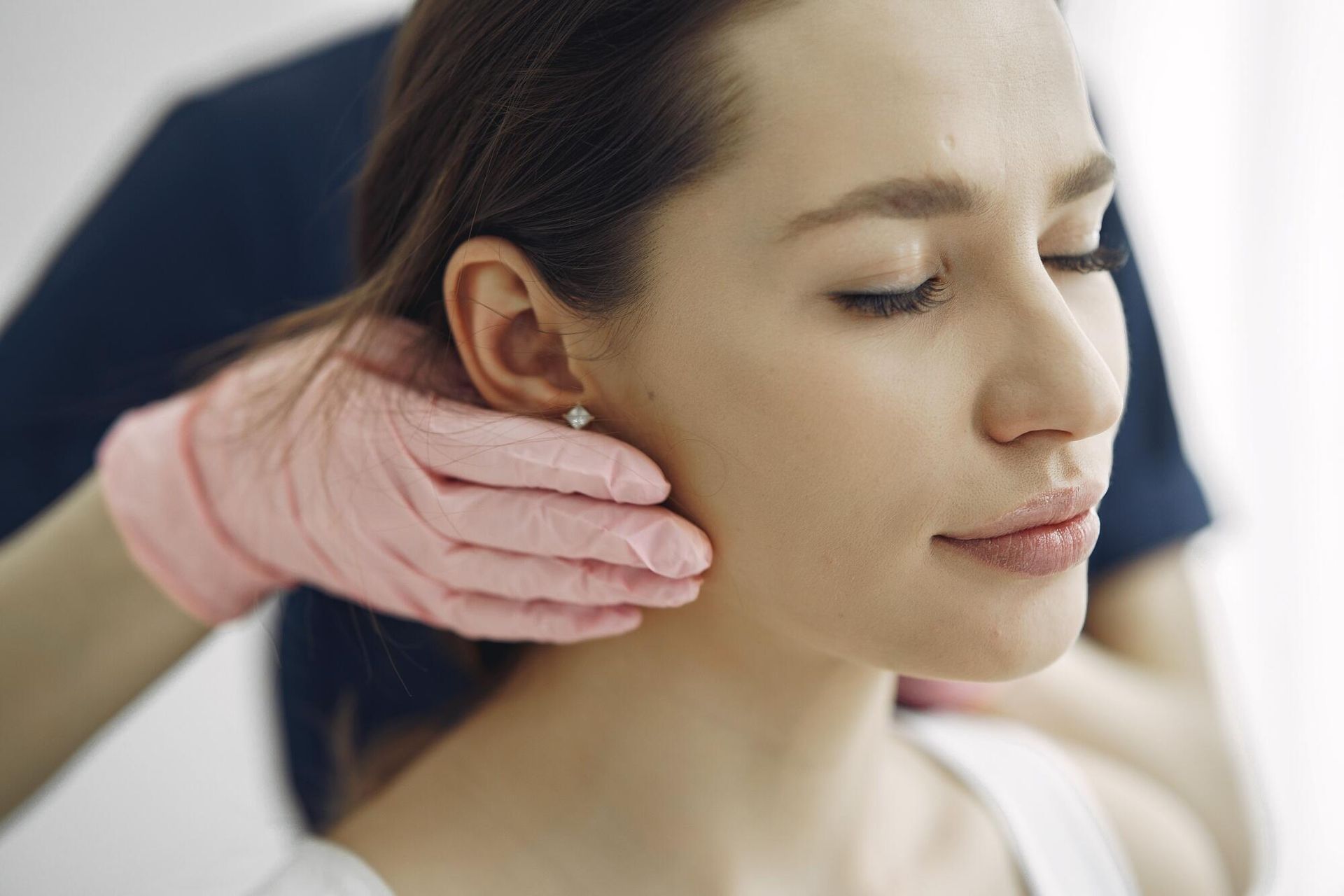
If symptoms persist for more than a few weeks or continue to worsen, it is time to seek professional evaluation.
Warning signs include:
- Ongoing jaw pain or stiffness
- Difficulty opening or closing the mouth
- Frequent headaches linked to jaw tension
- Clicking or locking of the jaw
Patients experiencing these symptoms may benefit from a TMJ specialist in NOVA who can provide targeted diagnostics and treatment planning.
Additional related conditions, such as ear pain, are explored in our guide to jaw and ear pain causes.
How Diagnosis Improves Treatment Outcomes
Accurate diagnosis is the foundation of effective TMJ care. Without it, treatment may only address surface symptoms rather than underlying dysfunction.
Comprehensive evaluations often include:
- Bite analysis
- Jaw movement tracking
- Muscle tension assessment
- Digital imaging when needed
This level of detail allows providers to build a precise, individualized treatment plan. Accurate diagnosis leads directly to more predictable and lasting outcomes.
Frequently Asked Questions
What Should I Bring to My First TMJ Appointment?
You'll want to come with a handy list of your symptoms, any past dental records you can round up, and some notes on when that jaw discomfort really flares up. Also, jot down any habits that might be stressing your jaw--think clenching, grinding, or even a lot of chewing gum.
Will I Need Imaging During My TMJ Evaluation?
Some folks will need it, some won't. It really comes down to how significant your symptoms are and what the clinical exam turns up.
Are TMJ Treatments Usually Comfortable?
For the most part, TMJ care leans toward being conservative and gentle. Most plans kick off with non-invasive approaches that ease strain and help your jaw function better over time--no heroics required.
How Do I Know If a TMJ Specialist Is a Good Fit for Me?
Look for someone who really listens, explains things in a way that makes sense, and crafts a plan tailored to you. From the very first visit, you should feel like your concerns are being taken seriously.
Can TMJ Treatment Affect My Bite or Dental Work?
Absolutely--it can shift how your bite feels and works, especially if your jaw alignment has been off for a while. And that's exactly why a personalized, custom-fit approach is so crucial.
What Happens If My Symptoms Come Back Later?
It's not unusual for symptoms to ease up and then reappear during stressful stretches or after routine changes. This might come in the form of muscle tension, pressure in the ear canal, or dizziness spells. That doesn't mean your treatment didn't work--it just means your jaw might need a fresh look or a minor tweak to get back on track.
Find Lasting TMJ Relief in NOVA
TMJ Relief in NOVA is possible with the right care plan and expert guidance. Understanding TMJ disorders is the first step toward meaningful recovery. With proper diagnosis and modern treatment options, patients can regain comfort and restore normal jaw function.
Northern Virginia Dental Associates provides comprehensive TMJ evaluation and treatment focused on long-term stability and comfort. Our approach combines advanced diagnostics with personalized care strategies designed for lasting results.
Take the next step toward relief and rediscover what comfortable jaw function feels like again.

Dr. Bernard Lynch

Joshua Kibrom

Michael Gebre